The Threat of Procedural Drift Is Real
Posted December 3, 2025
In industries where safety, compliance, and operational performance are critical, procedural drift represents a subtle but serious threat. Procedural drift refers to the gradual deviation from established procedures or best practices over time, often without malicious intent. It describes the gap between how work is supposed to be done according to formal rules or procedures, and how it is done in practice.
Why do teams lapse into issues with procedural drift? This drift can occur for various reasons, including complacency or overfamiliarity with tasks, perceived inefficiency of formal procedures, lack of oversight, conflicting priorities, and/or poor practices or an evolving culture. Typically, it is in response to pressures such as time constraints, resource limitations, or lack of process focus. These deviations are often rationalized as necessary or harmless, but over time, they can become normalized, creating a new, unofficial standard that lacks the rigor and safeguards of the original process. In the industries CHA works in, such as engineering, construction, transportation, energy, and environmental services, the threat of procedural drift is of real concern.
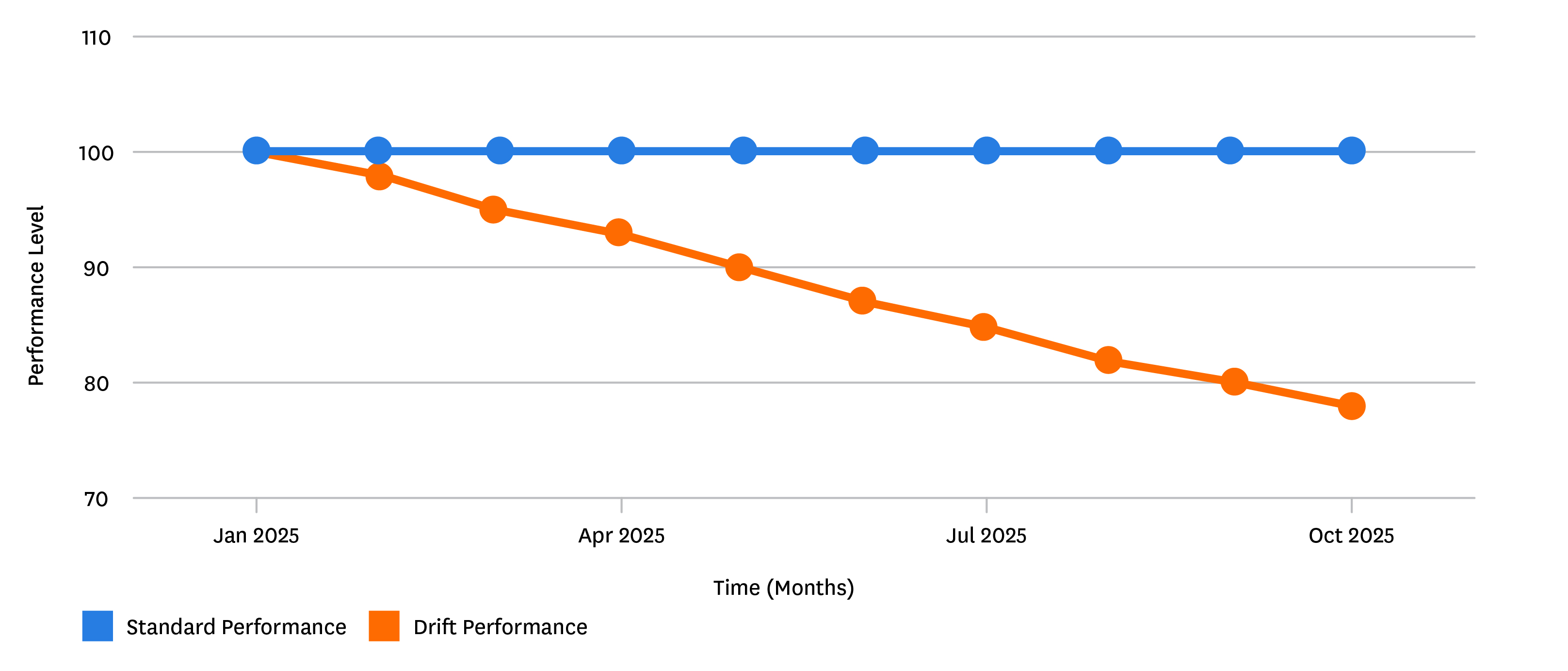
The concept of procedural drift is closely related to "practical drift," a term coined by Scott Snook in his 2000 book Friendly Fire: The Accidental Shootdown of U.S. Black Hawks Over Northern Iraq. Snook used "practical drift" to describe how individuals and organizations gradually diverge from formal procedures due to real-world pressures and local adaptations. The unintended consequence of procedural drift is accidents or failures at best, catastrophic incidents and death at its worst. While these deviations may begin as minor adaptations to real-world conditions, they can accumulate and lead to significant risks, including safety incidents, regulatory violations, and operational inefficiencies. Students of Human Performance Improvement will be aware that other authors, such as James Reason and Diane Vaughan, have written similarly about procedural drift.
How Procedural Drift Manifests Itself in the Real World
Work in any critical industry must be founded on the deep respect for the complexity, power, and unforgiving nature of its systems and processes. The public and our clients entrust firms such as CHA to manage safety, design, and operations effectively. Avoiding procedural drift requires strict adherence to basic processes and procedures, complying with laws, rules, and regulations, and using human performance tools and quality assurance systems to make sure each assignment is done the right way, on every job, every day.
Procedural drift may occur with little to no appreciation that it is occurring. Examples of how this may happen include:
- On a large infrastructure project, daily safety inspections are mandated before work begins. Over time, due to tight schedules, supervisors begin conducting abbreviated checks or skipping them altogether if no incidents have occurred. Eventually, this becomes routine until a preventable accident occurs due to an overlooked hazard.
- In environmental consulting, strict sampling procedures are required to ensure data integrity. If a technician begins skipping steps, such as failing to properly calibrate instruments or adjusting sample timing to fit a tight schedule, the data may become unreliable, potentially leading to incorrect conclusions or regulatory penalties.
- A transit agency may require detailed maintenance logs for its fleet. Under pressure to meet turnaround times, mechanics begin entering generic notes instead of detailed diagnostics. This drift leads to missed early warnings of mechanical issues, resulting in service disruptions.
- In a fast-paced design-build environment, formal peer reviews are required at each engineering design milestone. As deadlines loom, teams may opt for informal reviews or skip them entirely, assuming their experience compensates. This drift can result in design flaws that are only caught during construction, leading to rework and budget overruns.
These examples illustrate common causes of procedural drift, including operational pressure, complacency, a lack of training or communication, changing cultural norms, and potentially poorly designed procedures that may be complex, outdated, or impractical.
Strategies to Address Procedural Drift
Leadership engagement is key to ensuring high standards of performance are built into every process. This engagement also ensures an open and self-correcting culture that communicates challenges and solutions frequently, fearlessly, and with a commitment to continuous improvement. With strict adherence to process focus, working as trained, and managing deliberate change management, procedural drift is eliminated. The deliberate conduct of operations and line ownership of training further enhances performance and mitigates issues of procedural drift.
Practically speaking, CHA has employed several methods to mitigate procedural drift in its operations, including:
- Regular audits and design observations, which help detect deviations early. When conducted collaboratively rather than punitively, they encourage open dialogue about procedures.
- Continuous training and reinforcement with ongoing education to ensure that employees understand the importance of procedures and are aware of any updates. Reinforcement through refresher courses, online learning, and peer mentoring can help maintain procedural integrity.
- Using feedback loops by encouraging employees to provide feedback on procedures. If a procedure is consistently bypassed, it may need to be revised to better reflect operational realities.
- Leaders consistently model adherence to procedures, their behavior setting the tone for the rest of the organization.
- Using technology and digital tools to help monitor compliance and flag deviations.
- Using root cause analysis when drift is identified and investigating the underlying causes rather than simply correcting the behavior. This approach fosters a culture of learning and continuous improvement.
Addressing procedural drift is not just about enforcing rules; it’s about cultivating a culture of accountability, safety, and continuous improvement. Employees should feel empowered to speak up when procedures don’t align with reality and be involved in shaping practical, effective procedures. Transparency, trust, and collaboration are key to sustaining procedural integrity.
How CHA Helps Clients Avoid Procedural Drift
CHA’s technical leaders understand the critical importance of procedural adherence in delivering safe, efficient, and compliant projects. Our multidisciplinary teams work closely with clients to design and implement robust operational frameworks that minimize the risk of procedural drift. If you are concerned about procedural drift in your organization, our team can help you develop customized procedures tailored to your operational environment, recommend digital solutions that streamline compliance tracking and reporting, or conduct process audits or gap analyses to identify areas of drift and recommend corrective actions. Our team strives to develop technical designs based on procedural awareness that promote a culture of safety, compliance, and accountability.
By combining strong technical expertise with a deep understanding of organizational behavior, CHA helps clients build resilient systems that maintain procedural integrity—even under pressure. Project teams are empowered to operate safely, efficiently, and in full alignment with regulatory and organizational standards, and procedural drift is mitigated.