Dexter Coffin Bridge Rehabilitation
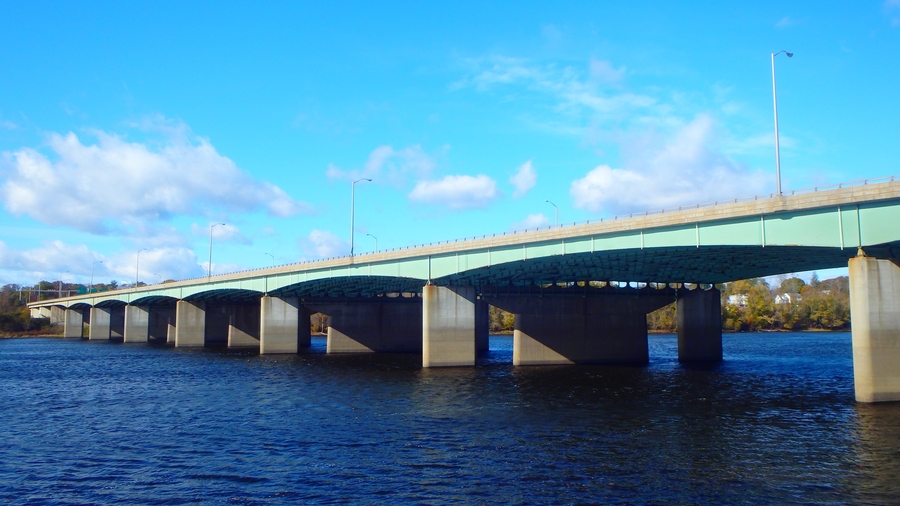
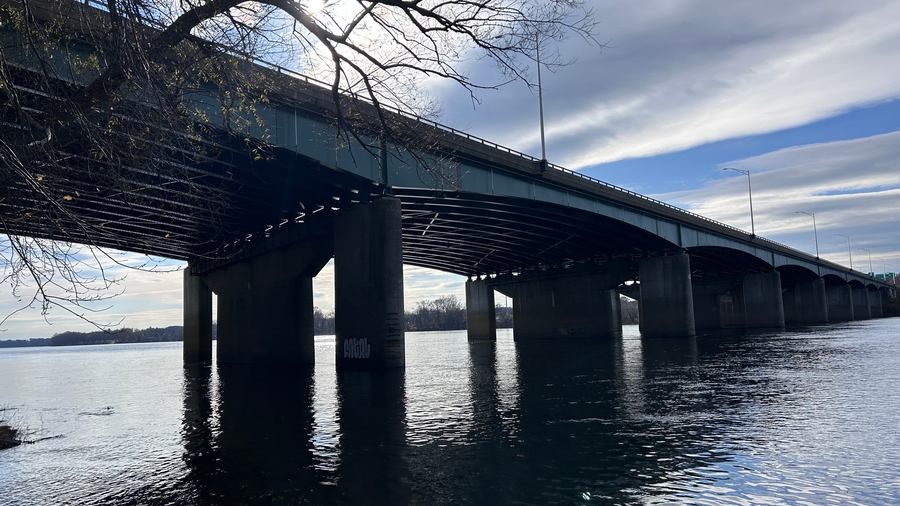
Carrying thousands of daily commuters along Interstate 91, the Dexter Coffin Bridge is a critical link connecting communities across the Connecticut River and supporting regional travel, commerce, and emergency response. Originally constructed in 1956 and widened in 1991, the 12-span steel structure had developed significant structural deficiencies, including pack rust, flange buckling, and reduced load rating capacity, prompting the Connecticut Department of Transportation (CTDOT) to advance a targeted rehabilitation program.
CHA led the structural assessment, design, and implementation of innovative rehabilitation solutions to restore performance while maintaining live traffic. The scope included deck and substructure repairs, steel strengthening, joint and bearing replacements, and upgrades to lighting and overhead sign structures. To address complex deterioration in critical regions, CHA introduced ultra-high performance concrete (UHPC) as a first-of-its-kind application in Connecticut.
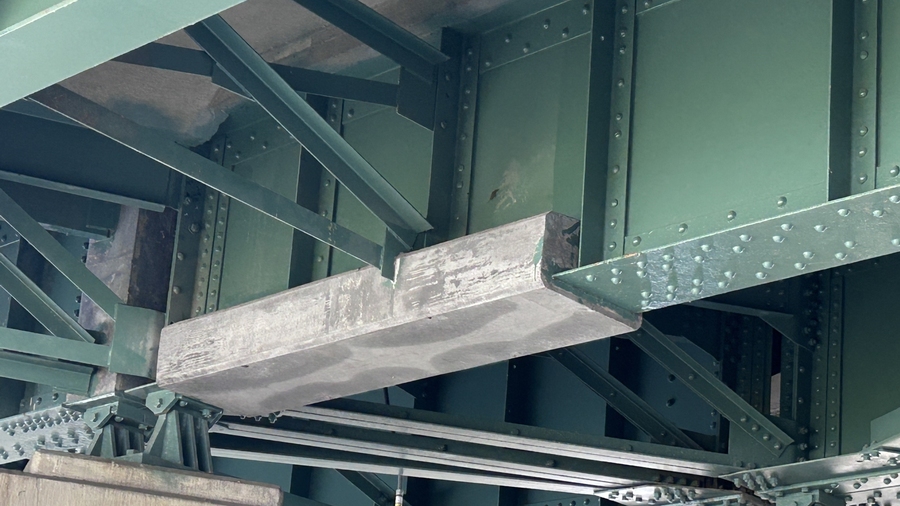
UHPC was used to encase steel girders at areas of concern, strengthening negative moment regions, mitigating flange buckling, and halting pack rust progression. This approach increased load rating capacity while providing a durable barrier against future corrosion, extending the structure’s service life. The design required advanced analysis and careful staging to maintain traffic throughout construction.
By rehabilitating rather than replacing the bridge, the project reduced cost, minimized disruption, and limited environmental impact, preserving a vital commuter corridor while delivering long-term resilience.
Project summary
Major 12-span interstate structure rehabilitated to restore strength and performance.
This critical structure carries four lanes of I-91 traffic in each direction.
First-of-its-kind use of ultra-high performance concrete in Connecticut.
Talk to an expert

Ryan Cooley, PE*
Principal Engineer
Ryan has over 20 years of experience designing, analyzing, and overseeing bridges and vertical structures. His expertise encompasses design, load rating, and contract document development for transportation structures throughout New England. Ryan has been a pivotal figure in pioneering initiatives such as introducing GRS-IBS to multiple DOTs and spearheading the implementation of accelerated bridge construction (ABC) technologies throughout the region.