Cornell University Lake Source Cooling
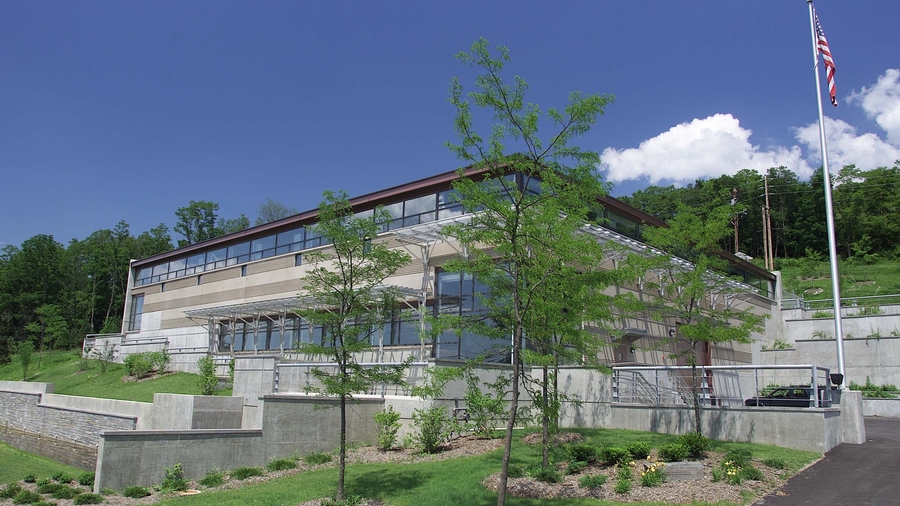
The Lake Source Cooling (LSC) project, one of Cornell University’s largest environmental engineering projects, provides 20,000 tons of cooling with an 86% reduction in energy use versus conventional cooling methods. This innovative deep water source cooling project uses nearby Cayuga Lake as a non-contact cooling source for the campus chilled water system providing central cooling to about 4 million square feet of campus.
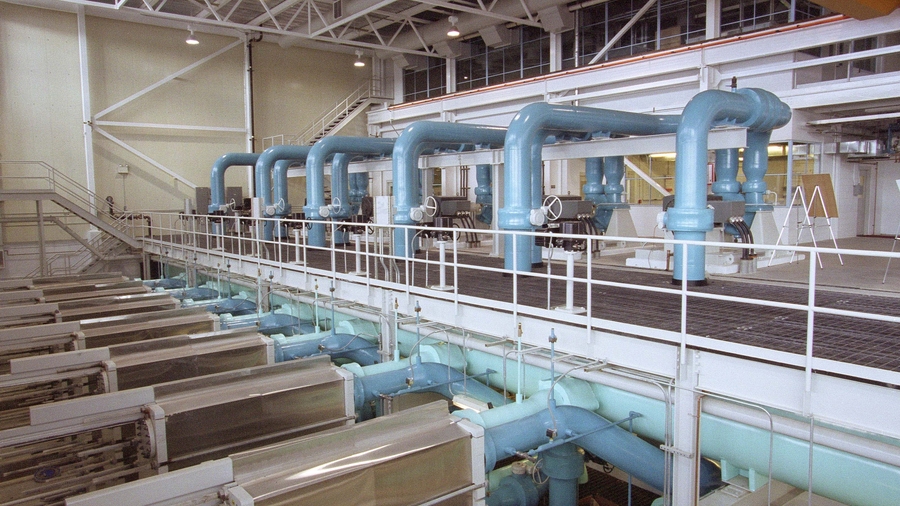
CHA conducted a feasibility study involving hydraulic modeling of the cooling system and identified LSC as the optimal solution. Despite a higher initial investment, LSC provided a cooling method that avoided CFC-containing equipment and its associated energy use. LSC draws cold water through a 2mm wedge-wire screened intake 10 feet above the lake bed. This water is piped to a shoreline heat exchange, transferring its coldness via stainless-steel plates to another pipeline circulating through the campus. The lake's ecological balance is maintained, returning water via a diffuser about 500 ft offshore. Chilled water cools campus equipment and buildings via a closed loop without added energy beyond what's necessary for water circulation through the pipelines. Regarded as "a project that supports a sustainable future," the LSC significantly reduced Cornell's dependence on fossil fuels, resulting in annual electricity savings of around 25,000,000 kilowatt-hours.
Project summary
86% reduction in energy use.
Saved 25,000,000 kilowatt-hours
Cooled 4 million square feet of campus.
Talk to an expert

Jim Fuller, PE, LEED AP*
Senior Vice President,
Power Delivery & Integration Business Line Director
Jim has over 30 years of experience with a focus in the design and management of electrical projects. He has designed electrical systems for utility, renewable generation, transportation, industrial, municipal, commercial, and institutional facilities.